Book 1 · PUTIN FROM INTERNAL EMIGRATION
FOREWORD BY HIS SON
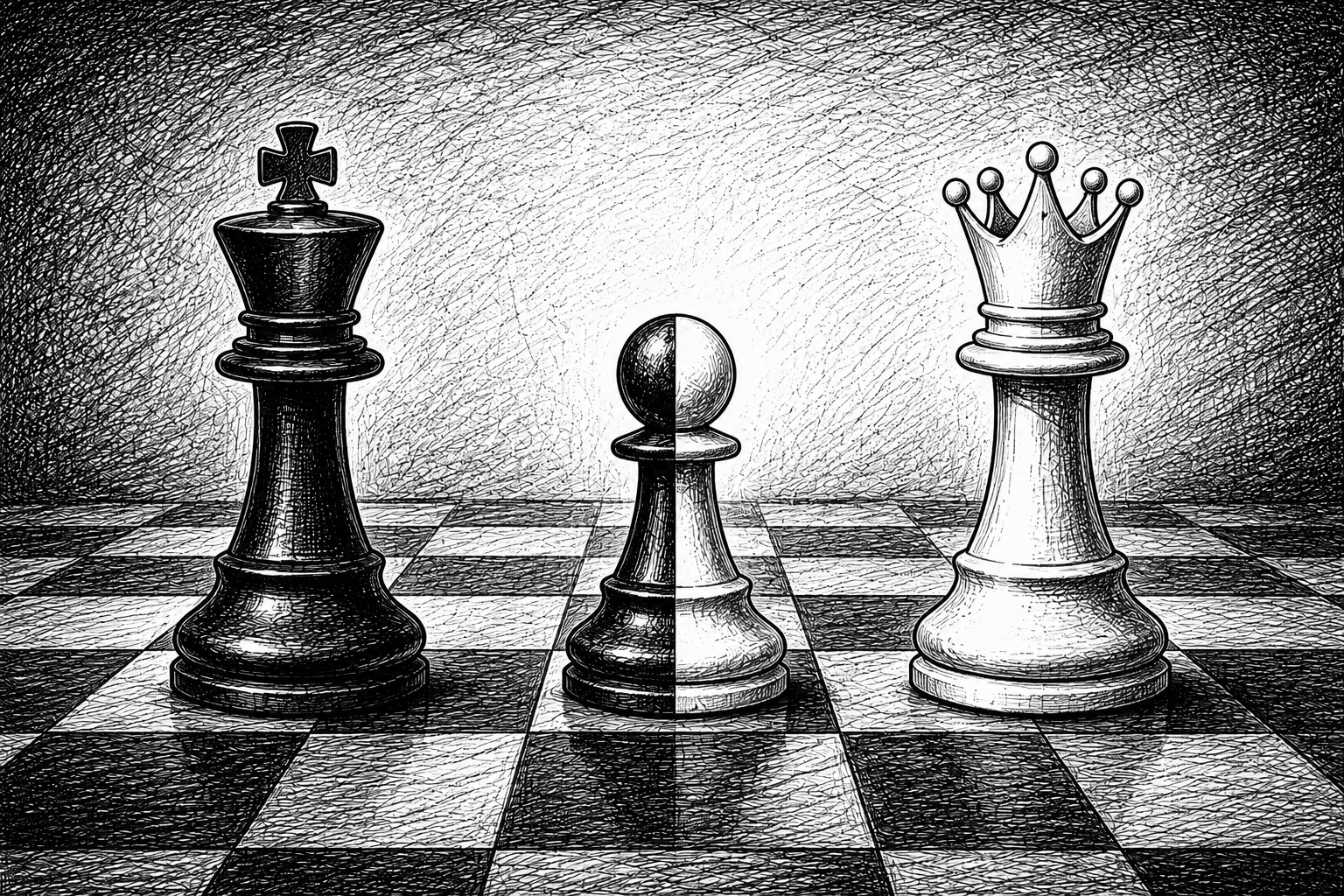
It doesn't matter what my name is, how old I am, or where I live now. I blog about politics, play chess, and sometimes drift into satire. This text isn't mine. It's my father's story, and perhaps it's all that remains of him.
He wasn't a hero. He was neither an orator nor a revolutionary. He simply knew how to face the truth without flinching. Even when that truth could cost him everything. Especially then.
If you're holding this book right now, consider it his confession. Not to you, but to himself. This isn't something you confess in a diary or whisper to your wife. This is the inner monologue of a man who found himself too honest and too visible.
My father was almost an engineer and somewhat more than a translator. In the nineties, he served in one of the Protestant communities in St. Petersburg, then worked at a major chain store. He lived a quiet, "internally emigrant" life. He didn't argue or storm the barricades. He simply refused to participate in what he saw as vile. Electronic voting, for instance. In his words, they devoured us under various pretexts.
That's how he ended up in the frame—in some random video, with a weary face and a bitter phrase. And suddenly he was at the center of a secret struggle for the country's future. Not as a warrior. As raw material. As a puppet. Or as a mirror.
I've asked myself many times: was he weak? Or perhaps stronger than all of us? He never pounded his fist on tables, but he could endure things that would buckle any grown man's knees. Simply because he felt eyes watching him. Not just from the next office over, but from somewhere above.
You'll find much that's strange in this book. It's deliberately written as if balanced on the edge between reality and paranoia. Where fact ends and fiction begins isn't always clear. Because that's exactly how my father's life was structured in those final years: anything might have been part of an experiment — or just elaborate stagecraft.
He didn't believe he was performing some great deed. He simply refused to betray what he believed in. Even if the price meant betraying everything else.
Mother wanted to make me a loyalist; father wanted to make me a winner. She shut herself off from truth, while he wanted me to know the truth but fight for it only when conditions favored victory.
Dad wasn't a writer. But he had a voice. And this is his voice. I changed almost nothing. Just technical editing and removing actual names. Let the text speak for itself.
And if you reach the end, please—don't ask me questions. Just draw your own conclusions.
Art
Painting of the week
Painting title
Artist — Name
Bid for it before another painting comes.
Participate →