Book 2 · PUTIN’S DOUBLES — US AGENTS
CHAPTER 11. LOVE COMES UNEXPECTEDLY
His strength was returning, and one morning a new instructor came in, took with two fingers his politics book from the table, grimaced, and dropped it into the trash.
“This is lies,” he declared. “This is what you’ll need to memorize by heart,” he continued, placing a thick envelope of large photographs on the table.
From each photo, a friend smiled at him, and on the back were details about their friendship and the friend’s spheres of influence. His own face appeared too, with a grimace typical for conversations with that particular friend, which he had to practice. He even felt a bit like Sharapov from a Soviet cult series from the ‘70s when he saw the long list of aliases with the memorable “a.k.a.”
After the break, he failed the test, naming fewer than half of his friends. After the second break, they first repeated the batch memorized last time, and then he was surprised that nearly half of those he’d failed before had stuck. The next day he recognized almost everyone, and they worked more on biographies and facial expressions for meetings.
The second lesson explained the secrets of Kremlin politics.
“A decision-maker must balance the forces and interests of all participants who have access to you, which costs a million. Your security technique is to always be more central than others, so everyone is more or less with you, and they devour only each other. By the law of the bigger fish, their proximity to you determines whom they can swallow and who is dangerous to them. The final argument of kings is cannons, and we’ll look at them now,” the instructor opened.
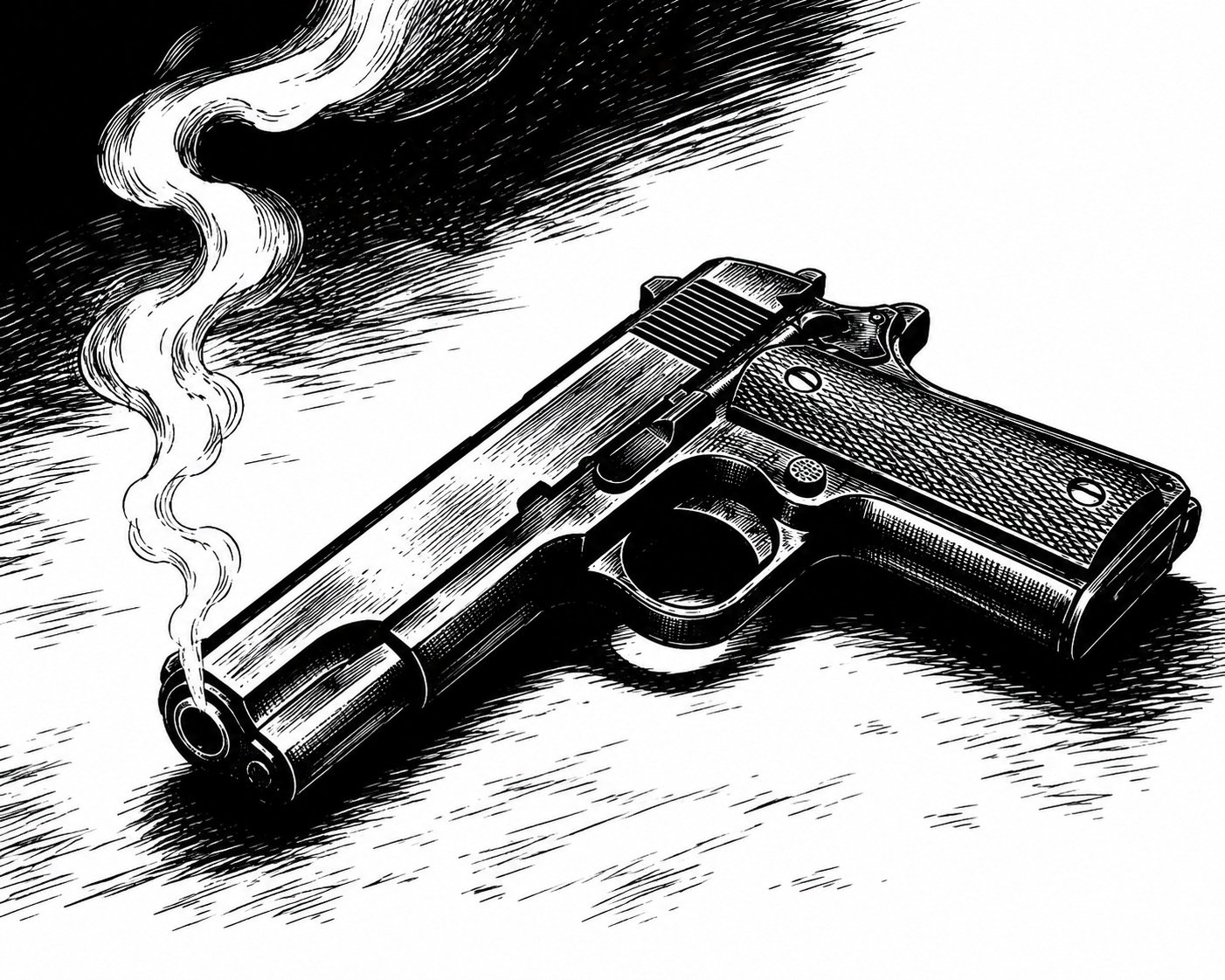
He brought in a chest containing barrels ranging from pocket pistols to shoulder-fired tank busters. “Stop cuddling with the little one,” he said. “She won’t thank you or save your life. These guys are real friends. Today you only clean them, and then you’ll be allowed to shoot at different targets from various distances to learn their capabilities.”
The next day, he was introduced to the ammunition his new friends used. Immediately, there was a fort defense game where he had to reload weapons that ran out of ammo on the shooter’s command. At first, it was slow, but then he got the hang of it, and the team cheerfully fired back at the imaginary enemy.
From the next day, there were examinations on personalities. He had to greet a photograph and recount everything written on the back. Then he had to hit that character in the forehead from a given distance with the designated weapon.
They progressed from friends to servants, FSO officers, and others with body access. Everyone had to be known, properly greeted, and struck from the required distance with the assigned weapon. Sometimes the task was speed rather than accuracy. They practiced the automatism that could save a life in a difficult moment.
Art
Painting of the week
Painting title
Artist — Name
Bid for it before another painting comes.
Participate →